Is Nipple-Sparing Mastectomy Right for Me?
October is Breast Cancer Awareness Month, which feels like the perfect time to start something I’ve been wanting to create for a while: a space to share helpful information, answer common questions, and offer guidance to anyone navigating breast reconstruction. Whether you are newly diagnosed or years out from surgery, I hope you find this space both informative and encouraging.
Let’s start with a question I hear often:
Who is a candidate for nipple-sparing mastectomy (NSM)?
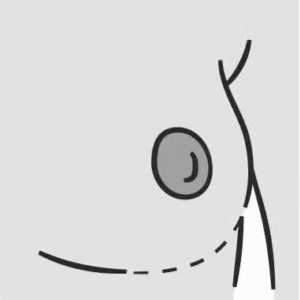
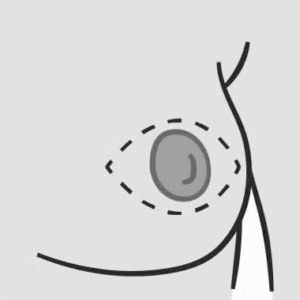
NSM is a surgical approach that preserves the natural nipple during mastectomy. While it can be a great option for some people, it is not the right fit for everyone. To figure that out, we usually look at a few key things.
1. Is it safe from a cancer standpoint?
If the cancer is close to the nipple or is a type known to spread easily, keeping the nipple may increase the risk of recurrence. In those cases, removing the nipple is often the safest option, and your surgical team will help you weigh that decision carefully.
2. Will the nipple survive the mastectomy?
The nipple gets most of its blood supply from the breast tissue. After that tissue is removed during surgery, the nipple has to rely on nearby skin for circulation, and that is not always enough. Here are a few things that can affect nipple survival:
Smaller breasts (A, B, or small C cups) tend to do better because the nipple sits closer to the chest wall where blood flow is stronger
Larger breasts may have a higher risk of nipple necrosis (loss of blood supply)
Existing scars near the nipple can also reduce circulation
3. Will the nipple still be in the right place afterward?
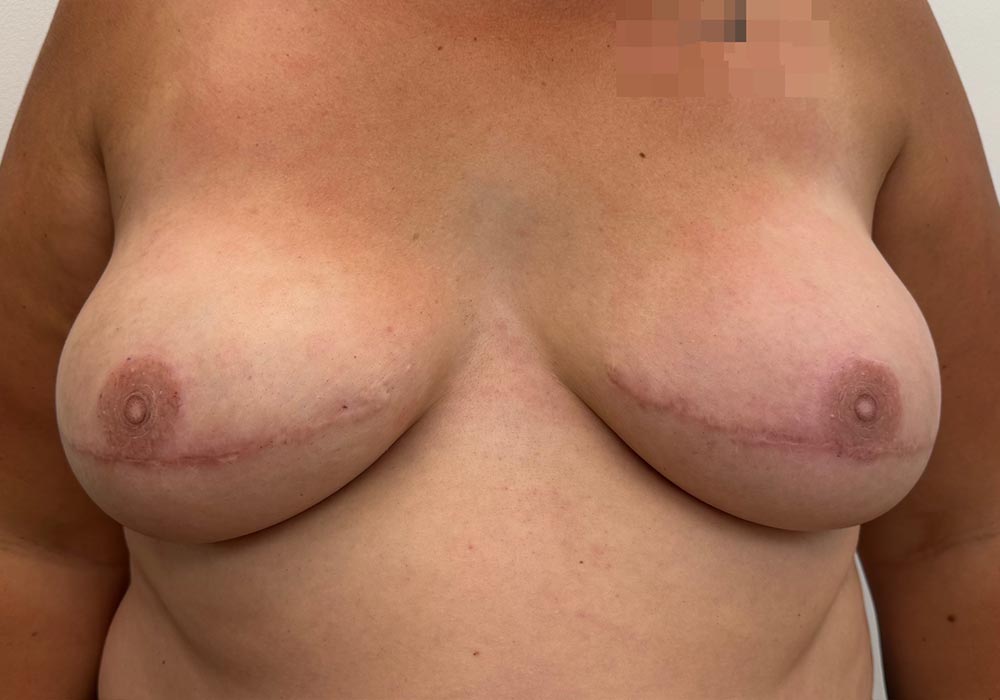
Even if the nipple survives, it might not land where you want it to. Because the blood supply becomes fragile after NSM, your surgeon usually cannot move the nipple much without risking its survival. If the breast is ptotic (droopy), the nipple may sit lower on the chest than you would like. In those cases, removing the nipple and exploring reconstruction or tattooing might give a more symmetrical and natural result.
So who is a good candidate?
The ideal NSM candidate is someone who:
Is having risk-reducing mastectomies (like BRCA-positive patients with no active cancer)
Has small to medium-sized breasts with nipples above the inframammary fold (the crease where the breast meets the chest)
Has low-grade cancer located far from the nipple
What to Ask Your Surgeon About NSM
If you are considering NSM, it is a good idea to go into your consultation with a few questions. These can help you better understand whether it is the right fit for your body and diagnosis:
Based on my cancer and anatomy, am I a good candidate for nipple-sparing mastectomy?
Will the location of my cancer affect whether the nipple can be preserved safely?
How likely is it that my nipple will survive after surgery?
Will the nipple be in a good position aesthetically after reconstruction?
If NSM is not recommended for me, what are my options for nipple reconstruction or tattooing later on?
There is no one-size-fits-all answer. Every body and every diagnosis is different. What matters most is making a choice that feels informed, safe, and right for you.
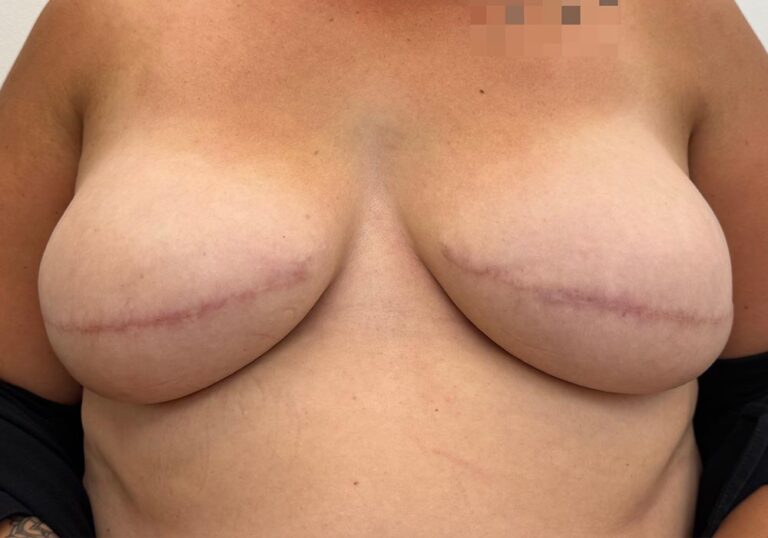
And if NSM is not an option?
It is truly okay. In fact, many people are not candidates for nipple-sparing surgery. That does not mean you will not have beautiful and meaningful results. You still have powerful options for nipple reconstruction and 3D tattooing that can help you feel more at home in your body again.